Most SaaS intelligence tools are built for a general buyer with a general problem: too many subscriptions, not enough visibility, money leaking through unused licences. A bank has that problem too - but it has three more on top of it, and they are the ones a general-purpose tool tends not to answer.
For a regulated financial firm, the question is not "which SaaS intelligence platform is best" in the abstract. It is "which one does the things a bank specifically needs" - a shorter, sharper list than the feature comparison suggests.
A general firm evaluates SaaS intelligence on cost visibility and licence optimisation, and stops there. A bank should keep going, because three further requirements decide whether the tool is actually fit for a regulated environment.
Need one: discovery deep enough for third-party oversight
The first need is discovery that goes deep enough to satisfy a regulator, not just finance. A general SaaS intelligence tool discovers applications well enough to find waste - it catches the duplicate subscriptions and the unused seats. That depth is fine for a cost exercise. It is not necessarily fine for DORA.
Under DORA, a financial entity has to identify and oversee the ICT third parties supporting its important and critical functions - which means its view of what it runs has to be complete enough to stand up to supervision, not just complete enough to find savings.
The bar is different: a cost tool can miss a few low-spend applications and still do its job; a bank's regulatory inventory cannot miss the low-profile tool that happens to sit inside a critical function. So the first question a bank should ask is not "does this find our SaaS" but "does it find it to the depth a supervisor will test against."
Need two: reach beyond the direct vendor - fourth-party visibility
The second need is the one most SaaS intelligence tools stop short of: seeing past the vendor you contract with, to the parties your vendor depends on.
A general tool maps your direct vendors - the companies you pay. For a bank, that is not far enough, because an AI feature inside a vendor's product often runs on a model provided by someone else, a sub-processor the bank never contracted with.
DORA's supply-chain logic pushes oversight down the chain: where a subcontractor underpins a service supporting a critical function, it is in scope, whether or not you signed anything with it. Most SaaS intelligence tools were never built to see that layer - they end at the direct relationship.
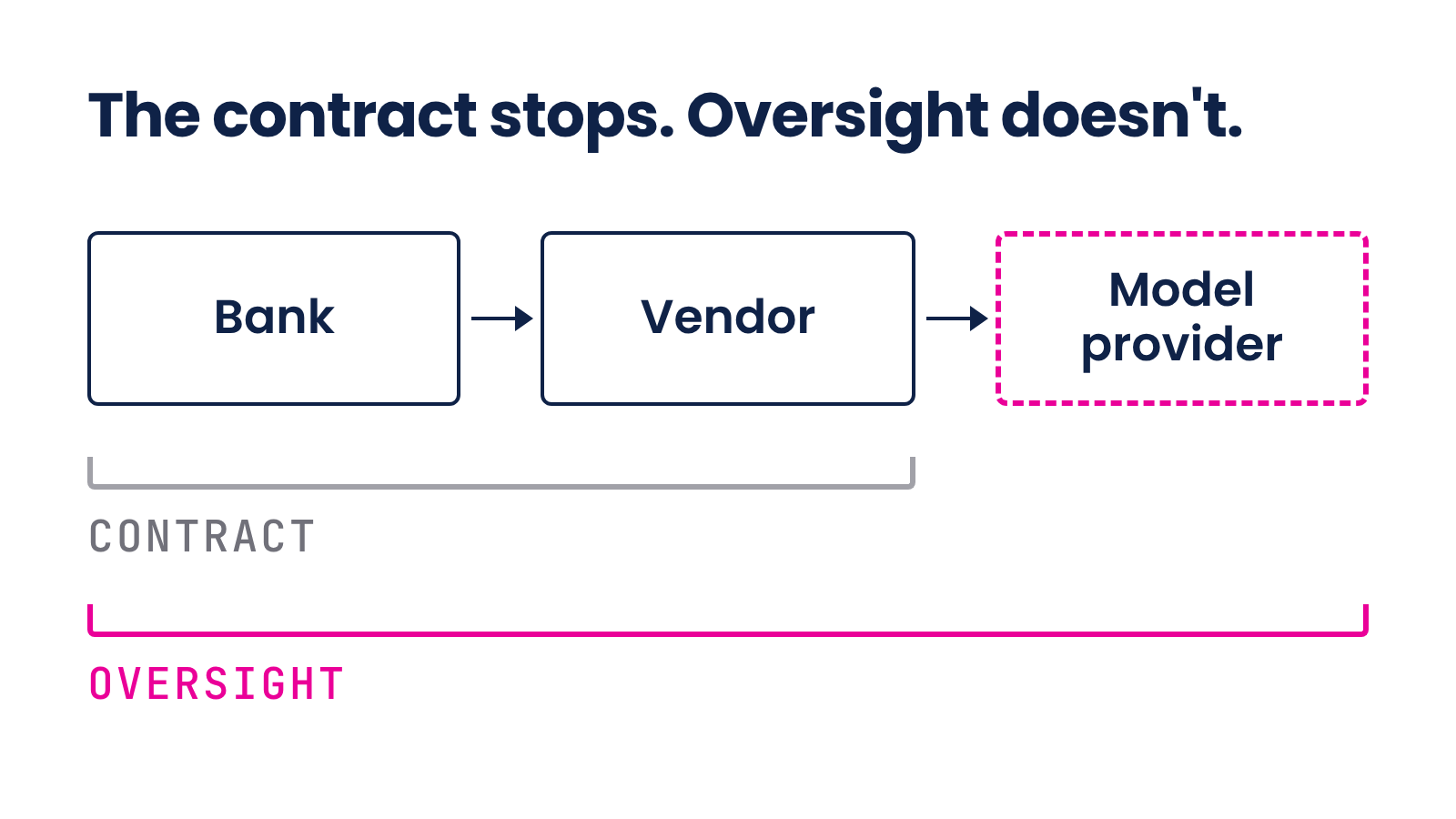
For a bank, fourth-party reach is not a nice-to-have feature; it is the difference between a tool that shows the supply chain a regulator cares about and one that shows only the top of it.
Need three: output that is evidence, not just a dashboard
The third need is about what the tool produces. A general SaaS intelligence platform produces dashboards - usage charts, spend trends, renewal calendars - which are exactly right for running an operations and finance function. A bank needs those too, but it needs something a dashboard is not: evidence it can put in front of a supervisor.
The test is whether the tool can produce the artefacts a regulated firm is actually asked for - a record that maps to a framework's requirements, not a chart that summarises activity.
A dashboard tells the bank's own team how the estate is doing; evidence tells a regulator the bank is in control of it. They are different outputs, and a tool strong on the first can be useless for the second.
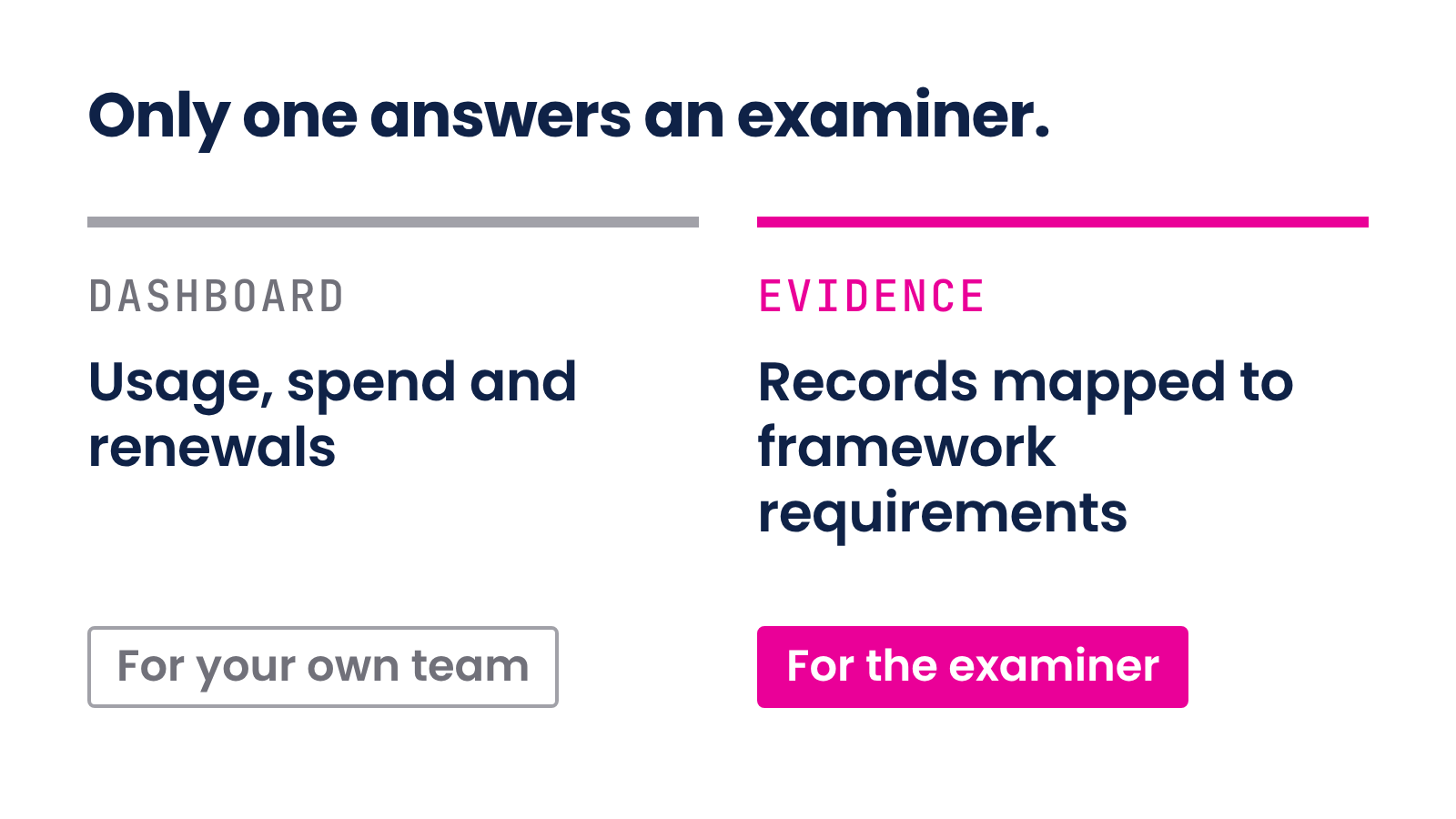
For a bank, the evaluation has to include "what does this produce when an examiner asks" - because for a general firm that question never comes up, and so general tools are rarely built to answer it.
Why the general checklist misleads a bank
Put the three together and the pattern is clear: a bank evaluating SaaS intelligence on the standard criteria - cost visibility, licence optimisation, a clean dashboard - is measuring the tool on the axis it shares with every other buyer, and ignoring the three axes that are specific to being regulated.
That is how a bank ends up with a tool that is excellent at the general job and quietly inadequate at the regulated one: it optimises spend beautifully, maps the direct vendors, and produces a dashboard the finance team loves - and then cannot discover to supervisory depth, cannot see the fourth party, and cannot produce the evidence an examiner wants.
None of those gaps show up in a standard feature comparison, because the standard comparison was written for the general buyer.
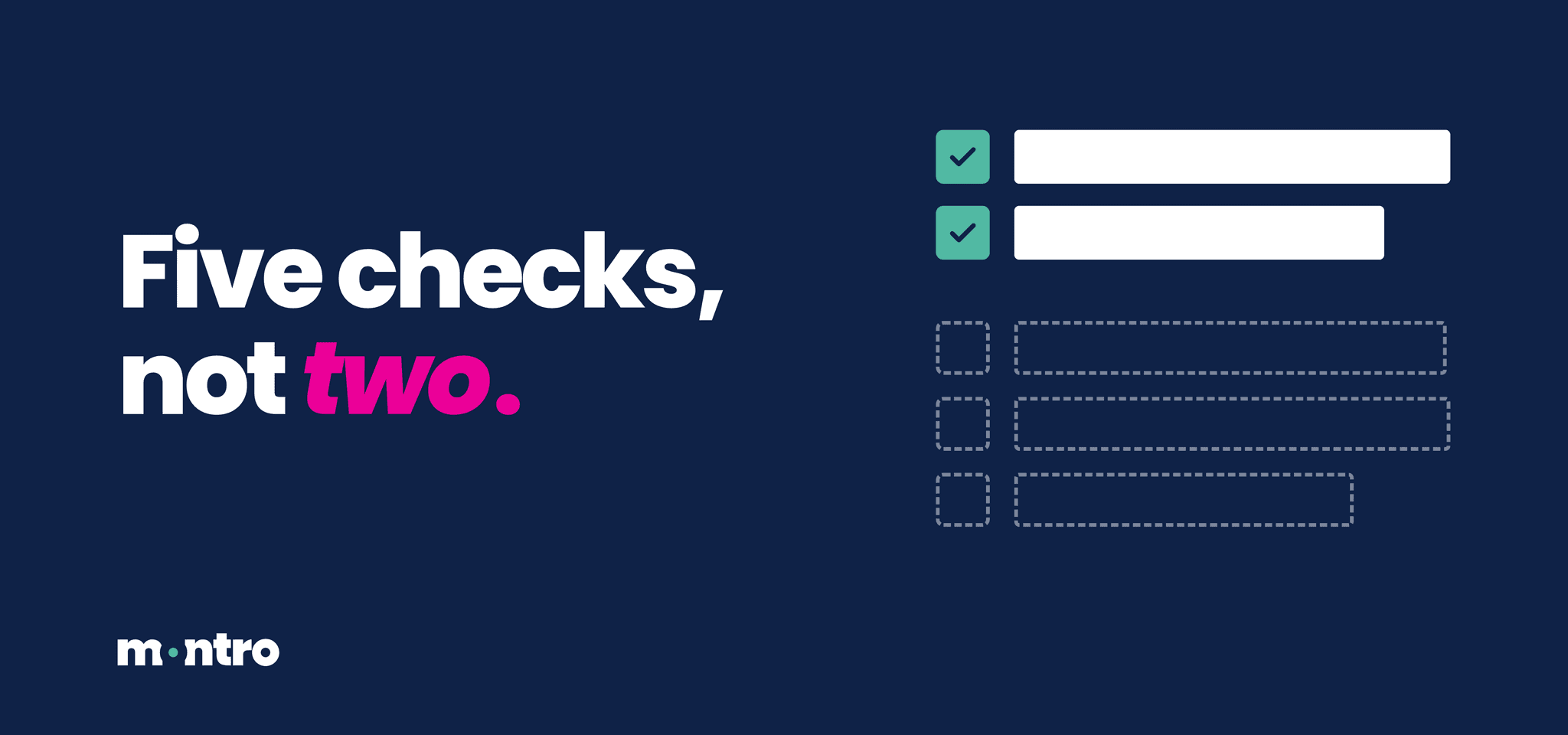
So the practical move for a bank is to evaluate on five things, not two: the general pair (cost visibility and licence optimisation) plus the three that being regulated adds (discovery to supervisory depth, fourth-party reach, and evidence output). The general tools will score well on the first two. Whether they score at all on the last three is what actually decides fit for a bank.
Frequently asked questions
What should a bank look for in a SaaS intelligence platform?
Montro's position is that a bank should evaluate SaaS intelligence on five criteria, not the usual two. The general pair - cost visibility and licence optimization - matter, but a regulated firm has to add three more: discovery deep enough to satisfy DORA's third-party oversight (not just enough to find waste), visibility beyond the direct vendor to the fourth parties and sub-processors underneath, and output that works as regulatory evidence rather than only as a dashboard.
A tool can be excellent on the general pair and inadequate on the three that being regulated adds.
Why isn't a normal SaaS management tool enough for a bank?
Because a normal tool is built for the general problem - too many subscriptions, wasted spend - and optimises for cost visibility and licence management. A bank has that problem plus three regulated ones: it needs discovery complete enough to withstand supervision, visibility down the supply chain to sub-processors, and evidence it can show an examiner.
General tools are rarely built for those three, so a bank relying on one can have excellent cost control and still fail the regulated requirements it did not evaluate for.
What is fourth-party visibility, and why do banks need it?
Fourth-party visibility is seeing past your direct vendors to the parties they depend on, the sub-processors and model providers your vendors' AI features run on, which you never contracted with directly. Banks need it because DORA's supply-chain oversight extends to subcontractors underpinning critical functions, whether or not there is a direct contract.
Most SaaS intelligence tools stop at the direct vendor, so fourth-party reach is a specific thing a bank has to check for rather than assume.
What is the difference between a dashboard and regulatory evidence?
A dashboard summarises activity for the organisation's own team - usage, spend, renewals - and answers "how are we doing." Regulatory evidence is an artefact that maps to a framework's requirements and answers "prove it to an examiner." A bank needs both, but a tool built only for dashboards cannot necessarily produce the evidence a supervisor asks for, which is a distinct output. Evaluating "what does this produce when a regulator asks" is a step a general firm skips and a bank cannot.